Irrigation Requirements for Oil Palm Trees
Understanding irrigation requirements for oil palm trees helps maintain soil moisture, prevent stress, and support healthy growth and higher fruit yield.
Palm oil cultivation, refining and products
Palm oil cultivation lies at the heart of one of the most universally and widely used vegetable oils in the world. This category introduces the complete process of growing and managing the oil palm tree (Elaeis guineensis), from nursery stages to mature harvest.
It’s your go-to resource for understanding how palm oil is produced, particularly in key growing regions like West Africa, Southeast Asia, and South America.
Explore the parts of the oil palm tree, including palm fruit bunch, individual palm fruits, palm kernel, and the tree’s leaves and fronds.
Learn how these components contribute to the production of red palm oil, palm kernel oil, and palm olein. We cover essential cultivation steps such as soil preparation, planting, pruning, harvesting, and insights into ideal climate and growing conditions.
This category also highlights the importance of sustainable palm oil cultivation, promoting eco-friendly practices, supporting smallholder farmers, and protecting biodiversity.
From the structure of the palm fruit bunch to responsible harvesting techniques, you’ll gain a deeper appreciation for the agricultural science behind palm oil.
Whether you’re a farmer, researcher, chef, or curious reader, dive into the roots of palm oil and discover how cultivation impacts health, heritage, and the environment.
Understanding irrigation requirements for oil palm trees helps maintain soil moisture, prevent stress, and support healthy growth and higher fruit yield.
Learn how to start a palm oil farm the right way, from seedlings to harvest, for lasting profit. Here is everything you need to know.
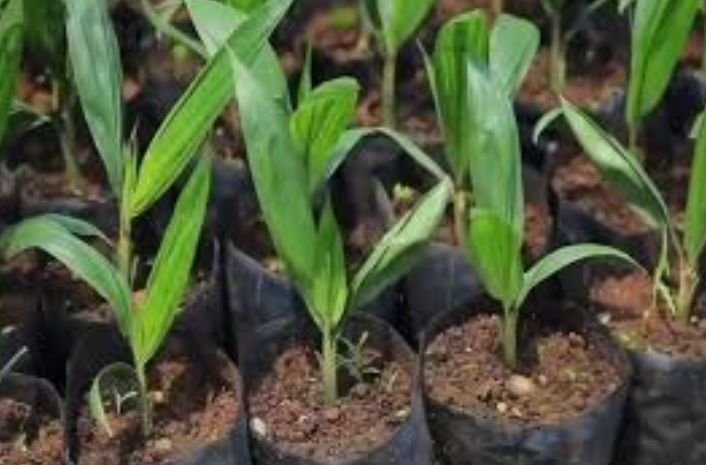
Seedling propagation in oil palm farming sets the foundation for healthy plantations, boosting growth, yield, and long-term farm productivity.
The palm oil industry shapes economies, influences global markets, and challenges sustainability efforts. Its impact reaches your table, your fuel, and the planet’s environmental balance.
Palm fronds, also called palm leaves, carry more potential than meets the eye. From waste to resource, they symbolize nature’s power to renew, restore, and fuel sustainable possibilities.
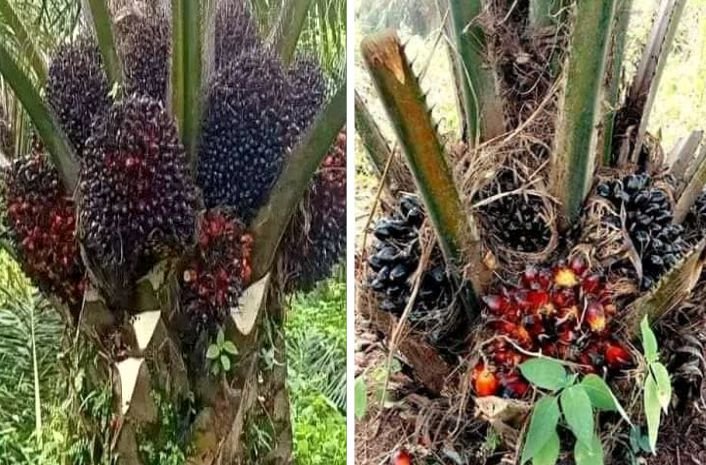
The types of palm oil trees used in oil production shape the quality, yield, and uses of palm oil. Each variety plays a unique role in the global palm industry.
Palm fruit types and characteristics shape the foundation of palm oil production. From thick-shelled dura to high-yield tenera, each variety plays a unique role in quality, yield, and breeding success.
Meet the Tenera oil palm tree, the powerful hybrid driving global palm oil production. Its exceptional yield and hybrid vigor make it a cornerstone of modern, efficient oil palm cultivation.
Learn the unique traits of the Pisifera oil palm tree, its high breeding value, and how it shapes oil palm development for better yields and sustainable palm oil production.
Thick-shelled and often overlooked, the dura palm tree plays a crucial role in palm oil production. Learn about its unique traits, yield potential, and vital contribution to hybrid breeding success.