Palm oil in processed foods hides more than flavor; its widespread use may impact heart health, weight, and inflammation. Palm Oil Pathway gives insights.
Palm oil, derived from the fruit of the oil palm tree, is popular for its steady presence in processed foods and along the palm oil value chain.
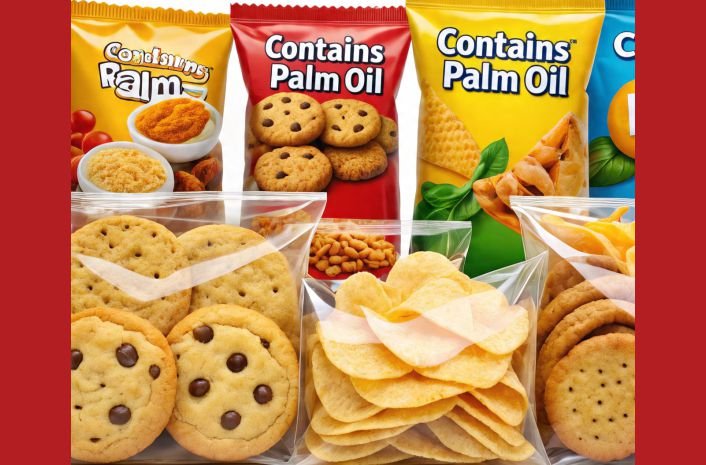
You find it in snacks, baked goods, margarine, and ready meals because it helps products stay fresh and stable while serving as a common substitute for trans fats that carry health risks.
The story of palm oil goes beyond its function in food. While it contains nutrients such as vitamin E, its high saturated fat content can raise concerns when consumed in excess.
Palm oil is also an umbrella term, and what you see on most food labels is usually refined palm oil, which is the most popular and widely used.
In this post, you will see the hidden health risks tied to palm oil in processed foods and why awareness matters.
The Prevalence of Palm Oil in Processed Foods: Why it is Widely Used
Palm oil is one of the most common ingredients in processed foods because it is inexpensive and stable, helping products last longer and taste better.
You find it in snacks, baked goods, instant noodles, and margarine.
Chips and crackers rely on palm oil for crispness, while bread and pastries use it as a substitute for butter or other fats to stay moist during large-scale production.
Instant noodle packets include palm oil in seasonings, adding flavor while preserving freshness.
Margarine owes much of its creamy consistency to palm oil, which helps mimic butter at a lower cost.
Many labels, however, list it under the broad term “vegetable oil.” This makes it harder for you to know when palm oil is present.
Understanding how palm oil shows up in everyday foods helps you make informed choices about what you eat.
Related: Tips on Cooking with Palm Oil
Nutritional Profile of Palm Oil
Palm oil stands out for its fatty acid composition. About half of it is saturated fat, which raises concerns because diets high in saturated fats can increase cholesterol and affect heart health.
Still, palm oil also contains around 40% unsaturated fats, mainly oleic acid, which supports heart function.
Beyond fats, palm oil is a source of nutrients and antioxidants. It provides tocotrienols, a form of vitamin E linked to reduced oxidative stress and possible protection against chronic diseases.
Carotenoids, which give palm oil its natural color, add further antioxidant benefits. The challenge lies in refining.
Processes such as bleaching and deodorizing reduce these nutrients, while partial hydrogenation may introduce trans fats.
Knowing this balance helps you understand how palm oil can support or compromise health, especially in processed foods. See more on palm oil nutritional value.
Related Posts
Palm Oil in Everyday Non-Food Products
Is Palm Oil a Seed Oil or a Fruit Oil?
How Applied is Applied in Industries
Does Palm Oil Cause Inflammation?
The Benefits and Detrimental Effects of Palm Oil
Health Risks Linked to Palm Oil Consumption
Palm oil is common in processed foods, yet its health risks are worth your attention.
Research links palm oil consumption to higher LDL cholesterol, which may increase your chances of developing heart disease.
Its calorie density also plays a role in obesity, while frequent intake can reduce insulin sensitivity, creating pathways to type 2 diabetes.
These effects may trap you in a cycle of weight gain and poor metabolic health. Palm oil’s impact does not stop there.
Processed forms are associated with inflammation, a trigger for conditions such as metabolic syndrome and autoimmune disorders.
Studies also suggest links to liver dysfunction, including fatty liver disease. Concerns extend to potential carcinogenic compounds formed during refining and cooking.
By understanding these risks, you can make informed choices about palm oil consumption, especially when it appears in packaged and processed foods.
See more on health risks associated with palm oil.
Hidden Risks in Processed Foods
Palm oil is a common ingredient in processed foods because it is cheap and stable, but when modified or combined with additives, it can create risks you may not notice.
Hydrogenated Palm Oil and Trans Fats
Hydrogenated palm oil goes through a process that changes its structure, producing trans fats.
These fats are harmful because they raise LDL cholesterol and lower HDL cholesterol. This imbalance increases your chances of cardiovascular disease.
Since trans fats are hidden in many packaged foods, you may consume more than you realize.
Awareness is key to lowering the risks linked to hydrogenated palm oil.
Additives in Processed Foods
Processed foods with palm oil may also contain preservatives, colors, and artificial flavors.
These additives can trigger allergies or intolerances in sensitive people. Some may disrupt metabolism or affect gut health.
Calorie Density and Stealth Consumption
Palm oil is calorie-dense, and when combined with sugar in processed foods, it fuels weight gain and obesity.
You may also face “stealth consumption,” where unhealthy fats and calories add up unnoticed.
This cycle can increase your risk of diabetes, hypertension, and related diseases.
Related: Understanding Stearic Acid
How to Reduce Palm Oil Risks
You may not avoid palm oil completely, but you can reduce its risks with smarter choices.
It starts with awareness and continues with daily conscious decisions.
Read labels with attention
Palm oil hides under many names: palm kernel oil, palm olein, or simply vegetable oil.
When you scan food labels, look beyond the obvious.
If you want to cut back, compare products and favor those that clearly state no palm oil or use alternative oils.
Becoming familiar with these hidden names puts you in control of your choices and helps you avoid consuming palm oil without realizing it.
Choose whole and minimally processed foods
Fruits, vegetables, grains, seeds, and nuts give you nutrients without the hidden risks of palm oil.
When you crave packaged foods, pick those that say no palm oil on the label.
Supporting brands that care about health and ingredient transparency also makes a difference.
Whole foods naturally cut down your intake while filling your diet with fiber, vitamins, and minerals that packaged foods may lack.
Swap with healthier fats
Olive oil adds heart benefits, avocado oil delivers good fats, and coconut oil brings flavor when used in moderation.
These oils can replace palm oil in your cooking. Just remember: even healthy fats are calorie-dense, so portion control is important.
Using a mix of these oils makes your meals healthier while still enjoyable, and you reduce reliance on palm oil without losing taste or texture in your food.
Practice mindful consumption
Reducing palm oil does not mean banning it. Instead, it is about balance and intention.
Use it less, choose alternatives when possible, and stay mindful of how much you consume.
This approach helps lower the health risks linked with palm oil while supporting a diet that is wholesome and sustainable.
Related: The Relationship Between Palm Oil and Weight Management
Regulatory and Safety Perspectives
The regulatory outlook on palm oil in processed foods has shifted with rising concerns about health and sustainability.
Agencies like the FDA and EFSA recognize palm oil as part of a balanced diet but stress moderation due to its saturated fat content, which may raise cardiovascular risks.
This concern has fueled calls for transparency in labeling, as palm oil is sometimes hidden under generic terms like vegetable oil.
While some countries now require clear disclosure, inconsistent rules across regions complicate consumer awareness and global trade.
Research continues to examine palm oil’s long-term health effects, with findings still mixed and sometimes influenced by industry marketing.
These uncertainties highlight the need for ongoing scientific study and stronger international standards, ensuring consumers receive accurate information and regulators can respond to new evidence responsibly.
Related: How Bad is Palm Oil?
Consumer Awareness and Education
Awareness of palm oil in processed foods is vital for healthier choices.
Palm oil is widely used in snacks, baked goods, and packaged items, yet it often goes unnoticed because of unclear labeling.
Many people remain unaware of the health risks tied to its saturated fat content, which can increase the chance of heart disease.
To close this gap, public health organizations and advocacy groups promote education campaigns that stress the need for clear, accurate food labeling.
Schools, communities, and wellness programs also teach consumers how to read nutrition labels and recognize palm oil in ingredient lists.
These initiatives empower you to choose healthier alternatives, demand transparency from food producers, and understand long-term health impacts.
A well-informed public can drive better consumption habits and push for products that prioritize health and sustainability.
Conclusion and Final Thoughts
Palm oil in processed foods carries risks that go beyond taste and convenience.
Its high saturated fat content can raise cholesterol and increase the likelihood of cardiovascular disease when consumed in excess.
Heating during processing may also generate harmful compounds, adding further concern.
Beyond health, palm oil production drives deforestation, biodiversity loss, and climate challenges, raising ethical questions around sustainability.
For you as a consumer, these issues highlight the need to read labels, understand ingredients, and choose healthier or sustainably sourced alternatives.
Palm oil may be common, but its impact should not be ignored.
Through awareness and conscious decisions, you can reduce risks, support responsible practices, and encourage a shift toward healthier and more sustainable food systems.
Frequently Asked Questions
Why is palm oil used so much in processed foods?
Palm oil is cheap, stable, and versatile in processed foods. It keeps snacks crispy, baked goods moist, and margarines creamy, making it a favored ingredient for manufacturers worldwide.
Is palm oil bad for your heart health?
Palm oil is high in saturated fat, which can raise LDL cholesterol. This may increase the risk of cardiovascular diseases, especially if consumed regularly through processed and packaged foods.
Can palm oil cause weight gain or obesity?
Palm oil is calorie-dense, and when paired with sugars in processed foods, it promotes weight gain. Overconsumption may also affect insulin sensitivity, leading to obesity and metabolic health issues.
Does palm oil have inflammatory or cancer risks?
Refined palm oil can trigger inflammation and may produce harmful compounds during high-heat processing. These risks raise concerns about links to metabolic conditions, liver dysfunction, and potential carcinogenic effects.
References

I am Chimeremeze, a writer and researcher with deep-rooted experience in processing, consuming, and utilizing locally produced palm oil products, including red palm oil, palm kernel oil, and refined palm oil. Growing up in a community surrounded by towering palm trees, we embraced every part of this nature’s gift—drinking its wine, using the fronds for fencing, crafting brooms from its leaves, and turning its sturdy trunks into communal benches.
My passion for the palm tree and its countless benefits drives my research and writing, shedding light on its significance to West Africa and beyond. I also write on cassavavaluechain.com on the impact of cassava, another staple crop that has shaped Africa and influenced the world.