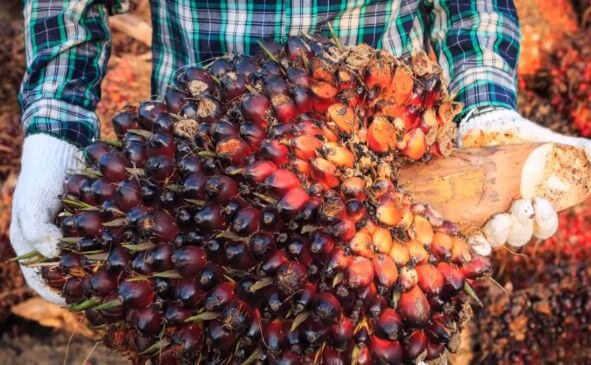
Loaded with oil-rich fruitlets and tightly packed spikelets, the fresh fruit bunch drives harvest value, oil yield, and processing efficiency.
Fresh fruit bunch plays a vital role in palm oil production, directly influencing both oil yield and quality.
Each bunch forms a dense cluster of spikelets, holding hundreds to thousands of fruits that supply both crude palm oil and palm kernel oil.
This dual output strengthens its economic value for growers and processors.
Soil fertility, rainfall patterns, field maintenance, and harvest timing all affect bunch weight, oil content, and free fatty acid levels.
Cutting too early lowers yield, while delays reduce quality.
Careful handling, rapid transport to the mill, and efficient processing help maintain oil standards and overall profitability across the palm oil value chain.
Table of Contents
What is Fresh Fruit Bunch (FFB)?
A Fresh Fruit Bunch (FFB) is a dense, oval-shaped cluster of oil palm fruits that attaches to the crown of the oil palm tree, weighing 10 to 30 kg, and serves as the primary raw material for palm oil production.
A fresh Fruit Bunch is made up of stalks, spikelets (peduncles), and fruits.
The stalk, which runs in the middle of the bunch, serves as a spine holding the peduncle, a secondary stalk that holds the individual fruits together.
Each bunch contains approximately 1,000 to 3,000 small, oil palm fruits tightly packed along the peduncle.
The arrangement and density of the fruits in the bunch directly affect oil yield, making the fresh fruit bunch a critical focus in oil palm cultivation.
Anatomy of the Fresh Fruit Bunch (FFB)
Understanding the anatomy and parts of the fresh fruit bunch: rachis, spikelets or peduncle, and fruitlets, is essential for optimizing harvesting and oil extraction.
Each plays a crucial role in ensuring the efficiency of the palm oil industry, making the FFB a vital structure to study.

Let’s take a closer look:
Rachis/Stalk
The rachis is the central stalk of the fresh fruit bunch, acting as the backbone that holds everything together.
This sturdy stem supports the spikelets and carries nutrients to the fruitlets as they develop.
It’s a key structural component that connects the individual parts of the bunch, ensuring the proper distribution of resources.
The length and strength of the rachis affect how many spikelets it can support, which, in turn, influences the number of fruitlets and the overall oil yield.
Its role is vital in supporting the fruit cluster and allowing it to grow efficiently.
Spikelets
The spikelets or peduncles are the small branches that grow along the rachis. Each spikelet is an essential unit of the FFB, as it holds multiple fruitlets.
The number and arrangement of spikelets can vary based on the age and health of the palm tree.

The more spikelets there are, the higher the potential number of fruitlets.
Proper spacing and growth of these spikelets directly impact the oil content and quality of the palm fruits.
Spikelets play an important role in maximizing the overall productivity of the FFB, ensuring that as many fruitlets as possible grow to maturity.
Fruitlets
The fruits vary in size and color, with ripe fruits turning from green to black, and navy blue before turning to orange or bright red when ripe.
At the core of the FFB are the fruitlets, which are small, spherical fruits that cluster tightly together on the spikelets.

These fruitlets are where palm oil is derived. Their size and oil content are key to determining the oil yield of the bunch.
Larger fruitlets tend to have more oil, making them more valuable in the extraction process.
Fruitlets grow in various sizes depending on their position on the bunch, with those lower down typically being larger.
Their ripeness and oil quality are crucial factors that influence when and how the bunch is harvested for optimal oil extraction.
How Fresh Fruit Bunches (FFBs) Develop
If you’re growing oil palm, you’ll start to notice real fruit development once your trees are 24 to 30 months old.
That’s when the tree begins producing flower structures called inflorescences.

From Flower to Fruit Bunch
It all starts with a spike: what you see emerging are called spadices. These can be either male or female.
Male spadices produce pollen, while female ones grow into fruit bunches.
Here’s where nature steps in. Wind and insects move pollen from male to female flowers. When pollination succeeds, the fruiting process begins.
Each female spadix develops into a Fresh Fruit Bunch packed with hundreds of small fruitlets.
Growth and Ripening
As the fruitlets grow, they swell and shift color from green to reddish-orange. Inside, the oil begins to form.
This isn’t just visual; it directly affects how much oil you’ll get and the quality of the final product.
Timing matters: The longer the bunch matures on the tree under the right conditions, the more oil builds up in each fruit. See more on the palm oil fruit ripening stages by color model.
Related Posts
The Basics of Oil Palm Cultivation
The Processing and Extraction Process of Palm Oil
How to Know Fresh Fruit Bunches are Ready for Harvest
Step-by-step guide on how to harvest oil palm fresh fruit bunches
FFB Maturity and Harvest Readiness

Knowing the right time to harvest Fresh Fruit Bunches (FFBs) makes all the difference when growing oil palm.
Harvest too early, and you lose oil. Wait too long, and you risk spoilage. So, how can you tell when your FFBs are ready?
Watch for Loose Fruits
Start by checking the base of the bunch. If fruits are starting to loosen and fall off on their own, that’s a clear sign the bunch is mature.
You don’t need special tools; just keep an eye on the ground. If you spot a few dropped fruitlets around a bunch, it’s time to harvest.
Check the Color
Color tells you a lot. Ripe fruitlets shift from green to a reddish-orange. The bunch itself will take on a deeper color, too.
If the fruits still look mostly green, hold off. But once they turn vibrant and glossy, they’re oil-rich and ready to go.
Count the Weeks
If you’re tracking pollination, aim to harvest the bunch around 22 to 30 weeks later.
That’s when oil content peaks. If you go past that window, the bunch starts to ferment.
This increases free fatty acids and lowers oil quality. Too early, and you’ll extract less oil. It’s all about timing.

Why Timing Matters
Poor timing affects more than just yield. It changes the quality of the palm oil you get.
Overripe bunches lead to spoilage and higher acidity.
Underripe ones give you less oil and hurt your bottom line. The goal is simple: maximize oil output and keep quality high.
What You Can Do
Keep a routine. Monitor fruit drop. Observe color changes. Use a harvesting calendar based on flowering dates.
And when in doubt, test a bunch or two before going all in. A good harvesting strategy saves time, reduces waste, and boosts your return.

Factors Affecting FFB Weight and Quality
Several elements influence the weight and quality of fresh fruit bunches in oil palm farming.
Paying attention to soil, climate, pests, and harvest timing helps your palms produce bigger, healthier, and more profitable FFB.
Soil and Nutrient Management
Healthy soil boosts fruit growth and size. Healthy soil supports larger bunches and higher oil content.
Test your soil to identify nutrient gaps, apply the right fertilizers at the right time, and balance organic and mineral sources.
Proper nutrient management improves fruit development, boosts palm growth, and increases both the weight and quality of each FFB.
Climate, Rainfall, and Irrigation Effects
Consistent rainfall helps fruits grow evenly, while drought slows development and lowers bunch weight.
Supplemental irrigation maintains soil moisture during dry periods and supports steady growth.
Tracking weather patterns, adjusting irrigation schedules, and preventing water stress ensures your palms remain productive and your FFB maintain high oil content.
More on environemental and climate requirements for oil palm.
Pest and Disease Control
Insects, fungal infections, and other diseases attack leaves, flowers, and fruits, reducing yield and quality. More on oil palm pest and disease control.
Regularly inspect palms, remove affected areas, and apply targeted treatments.
Healthy palms resist damage, produce larger bunches, and maintain market value, while unmanaged pests and diseases quickly degrade both weight and oil content.
Proper Harvest Timing
Harvesting FFB too early or too late lowers oil content and fruit quality.
Watch for signs of ripeness, plan harvesting schedules, and prioritize fully mature bunches.
Timely harvest preserves oil weight, prevents overripe fruit losses, and ensures each FFB reaches its maximum market potential.
Why FFB Matters in Yield and Pricing
Fresh Fruit Bunch performance shapes your palm oil income from harvest to mill.
When you monitor bunch weight and fruit quality closely, you gain clearer control over crude palm oil yield, oil extraction rate, and market pricing.
Fresh Fruit Bunch Weight: Your First Productivity Signal
Bunch weight shows how your oil palms perform in the field.
Heavier FFBs increase crude palm oil yield, improve oil extraction rate, and raise revenue per hectare.
Better FFB Performance, Stronger Profit Margins
Consistent weight and quality increase crude palm oil output, reduce processing losses, improve negotiation power with mills, and help you secure better long-term pricing.
Oil Yield from FFB
Average oil content per bunch varies depending on ripeness, fruit size, and palm health.
Applying proper fertilization, maintaining healthy palms, and harvesting at peak maturity improve extraction rates.
Higher-quality FFB produce more oil per ton, reduce losses during milling, and increase total CPO and kernel oil output.
Quality Grading and Pricing
Mills assess FFB based on size, ripeness, and visible damage. Higher-graded bunches attract better prices and improve mill efficiency, while lower-grade fruits can slow processing and reduce overall oil recovery.
Sorting and grading your FFB carefully ensures each bunch contributes maximum value at the market.
Smart Ways to Handle Fresh Fruit Bunches (FFB) in Oil Palm Farming
Proper handling of FFB affects oil yield, quality, and shelf life. Knowing how to cut, transport, and store bunches keeps your fruits healthy and maximizes both production and profit.

Cutting and detaching FFB
Use a sharp sickle or chisel to detach bunches carefully, avoiding damage to fruits or the palm stalk. See more on oil palm harvesting tools.
Cutting at the right angle and distance from the base prevents bruising and preserves oil content, while keeping workers safe during harvesting operations. See how to harvest oil palm ffb.
Transporting FFB safely
Move FFB quickly from the field to the processing area using baskets, trolleys, or trucks.
Avoid dragging or stacking too high to prevent crushing, and keep paths clear.
Gentle handling during transport preserves fruit integrity and prevents losses from spoilage or mechanical damage.
Short-term storage methods
Store FFB in shaded areas or ventilated heaps to reduce heat buildup.
Keep bunches off the ground with pallets or racks, monitor temperature, and separate damaged fruits.
Proper short-term storage slows fermentation, maintains oil quality, and reduces the risk of pests.
Timing and sequence of processing
Process FFB as soon as possible after harvesting, ideally within 24 hours, to retain maximum oil content.
Prioritize ripe bunches, follow a clear sequence, and coordinate workers efficiently to prevent delays that can lower fruit weight and quality.
Regular inspection and quality checks
Check bunches for signs of over-ripening, pests, or fungal attack.
Remove affected fruits immediately and mark healthy ones for prompt processing.
Regular inspection ensures your harvest maintains high standards and reduces losses before milling.

Final Word from Palm Oil Pathway
Fresh fruit bunches (FFBs) are one of the important components of palm oil production, directly influencing oil yield and quality.
Understanding their development, from pollination to maturation, is important for optimizing harvest timing and ensuring high-quality oil extraction.
Key components like the rachis, spikelets, and fruitlets play good roles in determining the efficiency of oil yield.
Timely harvesting, combined with careful post-harvest handling, prevents spoilage and maintains oil quality, thereby maximizing economic returns.
Factors such as soil health, climate, and pest management further influence FFB quality.
By focusing on these aspects, growers and processors can enhance productivity, ensure sustainability, and achieve higher profitability in the competitive palm oil industry.
Frequently Asked Questions
What is a Fresh Fruit Bunch (FFB)?
An FFB is a cluster of oil palm fruits, weighing 10–30 kg, containing 800–2,000 fruits, and serves as the primary raw material for palm oil production.
How can I tell when an FFB is ready for harvest?
An FFB is ripe when fruitlets loosen and fall naturally, and their color changes from green to reddish-orange, indicating peak oil content and quality.
Why is the timely harvesting of FFBs important?
Harvesting at the right time ensures maximum oil yield and quality; early or late harvesting can reduce oil content and increase free fatty acids.
What factors influence the quality of FFBs?
Soil health, climate conditions, pest control, and precise harvest timing all impact FFB quality, affecting oil yield and overall profitability in palm oil production.
How should FFBs be handled post-harvest?
After harvesting, FFBs should be collected promptly, handled gently to prevent bruising, sorted to remove unripe or damaged bunches, and transported quickly to the mill.
Citations:
- https://www.goldenagri.com.sg/oil-palm-grown/
- https://www.mdpi.com/2077-0472/12/11/1779
- https://core.ac.uk/download/pdf/188364865.pdf

I am Chimeremeze, a writer and researcher with deep-rooted experience in processing, consuming, and utilizing locally produced palm oil products, including red palm oil, palm kernel oil, and refined palm oil. Growing up in a community surrounded by towering palm trees, we embraced every part of this nature’s gift—drinking its wine, using the fronds for fencing, crafting brooms from its leaves, and turning its sturdy trunks into communal benches.
My passion for the palm tree and its countless benefits drives my research and writing, shedding light on its significance to West Africa and beyond. I also write on cassavavaluechain.com on the impact of cassava, another staple crop that has shaped Africa and influenced the world.