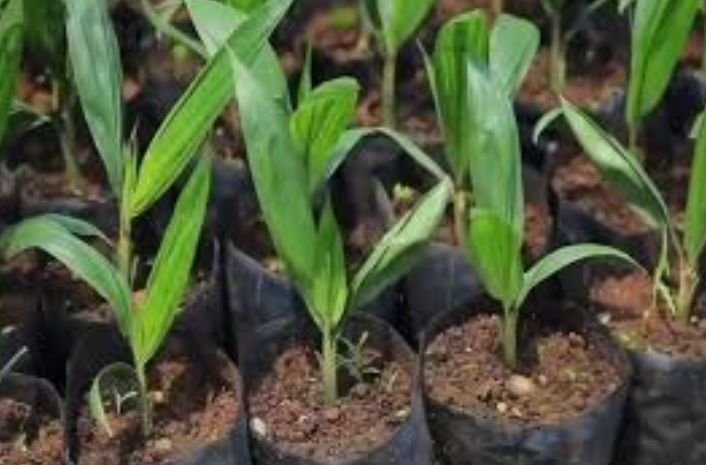
Seedling propagation in oil palm farming sets the foundation for healthy plantations, boosting growth, yield, and long-term farm productivity.
Starting a successful oil palm plantation begins with the care you give at the very first stage, and healthy seedlings play a major role in productivity and survival.
Seedling propagation in oil palm farming forms the foundation for strong growth, giving you better control over plant quality, disease resistance, and early yield.
On this page, you will find a complete guide to raising robust seedlings, with links to germination, nursery management, and transplanting, which are the steps in palm seedling propagation.
You can follow the linked posts for detailed instructions and tips, helping your farm thrive from the earliest stages.
Applying these methods can save time, reduce losses, and set your plantation on a steady path to growth.
Table of Contents
What Is Seedling Propagation?
Seedling propagation in palm oil farming is the process of raising young plants to ensure healthy growth, uniform development, and higher plantation productivity.
Strong seedlings improve survival rates, support early yields, and lay the foundation for a thriving plantation.
Proper steps, including seed selection, germination, nursery care, and field transplant, help your palms grow strong and productive.
Methods of Seedling Propagation
Raising healthy oil palm seedlings starts with the right propagation method.
Choosing between seed-based or clonal approaches affects growth, uniformity, and plantation productivity from the very beginning.
Sexual Propagation Using Seeds
Seed-based propagation remains the most common method for starting oil palm seedlings.
Using certified high-yield seeds ensures better germination, stronger seedlings, and improved early growth, giving you more control over plantation performance.
Following proper germination techniques reduces losses and supports uniform development. For detailed guidance, see How to Germinate Palm Oil Seedlings.
Vegetative Propagation and Tissue Culture
Vegetative propagation produces clonal seedlings that maintain uniform growth and resistance to common diseases.
This method is especially useful for commercial plantations, where consistency and quality directly impact yield and management efficiency, helping your palms reach their full potential quickly.
Seed Selection and Preparation
Choosing quality seeds sets the foundation for healthy, productive oil palm seedlings.
Selecting high-yield, disease-free seeds ensures better growth, stronger plants, and higher survival rates, while checking seed viability prevents wasted effort on weak or non-germinating seeds.
Paying attention to seed condition helps you plan your nursery and transplant effectively.
Pre-germination treatments further improve success rates.
Soaking seeds softens the shell, de-shelling removes barriers to sprouting, and stratification helps break dormancy, giving seedlings a strong start.
These steps increase germination speed, uniformity, and seedling health, saving time and reducing losses.
Following proper treatments ensures more consistent results and prepares seedlings for a thriving nursery phase. For a complete, step-by-step guide, see Step-by-step guide to palm oil seedling germination.
Nursery Practices for Seedling Propagation
Proper nursery practices give your seedlings the best start, supporting strong growth and higher survival rates in the field.
Healthy soil and balanced nutrients are essential. Using the right soil mix, filling polybags correctly, and applying suitable fertilizers ensures seedlings develop strong roots and stems.
Consistent care in soil and nutrition sets the stage for a thriving plantation. For detailed guidance, see the ultimate guide to palm oil nursery and management.
Watering and light management directly affect seedling health.
Regular irrigation, avoiding waterlogging, and providing adequate sunlight, young palms grow evenly and resist stress.
Pest and disease control protect seedlings from common threats. Early identification and preventive measures reduce losses, keeping your nursery plants strong and ready for transplanting.
Transplanting Seedlings to the Field
Transplanting seedlings marks a key stage in building a productive oil palm plantation, where careful timing and handling make all the difference.
Choosing the right moment ensures success. Seedlings at the ideal age and size, showing strong root and leaf growth, are ready for field planting, reducing losses and improving early establishment.
Preparing the field properly sets seedlings up for healthy growth.
Clearing land, preparing soil, maintaining correct spacing, and handling seedlings gently minimize transplant shock and support strong root development.
Post-transplant care keeps young palms thriving. Regular irrigation, balanced fertilization, and monitoring for pests help seedlings settle quickly, encouraging uniform growth and survival, so your plantation gains a strong, productive start from the very beginning.
Challenges in Seedling Propagation
Raising oil palm seedlings comes with common challenges that can slow growth or reduce survival. Identifying problems early and taking the right measures helps your nursery thrive.
Low Germination or Poor Growth
Low germination or poor seedling growth usually results from weak seeds, improper pre-germination treatments, or inadequate nursery care.
Correcting these steps strengthens seedlings and improves uniform growth for field success.
Pests, Diseases, and Environmental Factors
Seedlings can be damaged by pests, diseases, or unsuitable temperature, rainfall, and soil. Regular checks, preventive treatments, proper drainage, and correct moisture levels protect young plants and ensure healthy growth.
Why Proper Seedling Propagation Matters
Proper seedling propagation sets the foundation for a productive oil palm plantation, ensuring healthy growth, strong roots, and better survival rates from the nursery to the field.
Impact on Plantation Productivity
Strong seedlings support uniform growth, reduce losses, improve survival rates, and increase early and long-term yields, giving your plantation a solid start and more consistent production over time.
Linking Germination and Nursery Practices
Following proper germination and nursery methods creates a smooth propagation pipeline, connecting each step effectively, while using your existing guides ensures consistent results and higher-quality seedlings for field planting.
Conclusion
Seedling propagation in oil palm farming lays the foundation for a strong, productive plantation.
Healthy seedlings improve survival, support uniform growth, and boost yields.
Careful attention to seed selection, germination, nursery management, and transplanting ensures consistent quality and reduces losses.
By following proven propagation methods, you prepare your palms for early establishment and long-term productivity.
Integrating germination and nursery practices into a smooth workflow helps maintain strong, resilient seedlings.
Applying these strategies saves time, supports higher yields, and strengthens overall plantation performance, giving you control over growth, health, and productivity from the very start of your oil palm farming journey.
Frequently Asked Questions
What is Seedling Propagation in Oil Palm?
Seedling propagation in oil palm involves raising young plants from seeds or clonal material, ensuring uniform growth, strong roots, and higher survival for successful plantations.
Why are Healthy Seedlings Important?
Healthy seedlings determine plantation productivity by improving survival rates, encouraging uniform growth, reducing losses, and supporting early and long-term yields across the farm.
How Do Nursery Practices Affect Seedling Growth?
Proper soil, irrigation, fertilization, light, and pest management in the nursery produce strong seedlings that can establish quickly and survive transplantation to the field.
When Should Seedlings Be Transplanted to the Field?
Seedlings should be transplanted when roots and leaves are well-developed, at the right size and age, to reduce transplant shock and encourage strong early growth.
References
