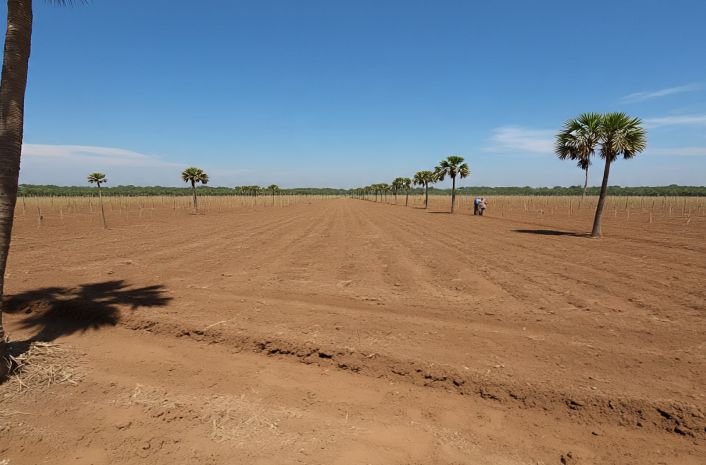
Secure the best start for your plantation by understanding land acquisition for palm oil farming and choosing sites that maximize yield, profitability, and long-term sustainability.
Securing the right land is a critical step in palm oil plantation, affecting yield, costs, and long-term sustainability.
Location, soil fertility, climate, and accessibility determine how well palms grow and how efficiently the plantation can be managed.
Legal ownership and compliance with government regulations protect you from disputes and penalties.
Farmers must also consider proximity to processing mills and infrastructure for transport.
This guide highlights key factors, challenges, and strategies to help you acquire suitable land for a productive, profitable, and sustainable palm oil plantation.
Table of Contents
What Land Acquisition in Palm Oil Farming Means
Land acquisition is the process of obtaining land legally for establishing a palm oil plantation. You can acquire land through government allocation, private purchase, or lease agreements, each with specific requirements and benefits.
Understanding the legal framework is vital, as laws differ across palm oil-producing countries.
Compliance with ownership rights, permits, and environmental regulations protects your investment and prevents disputes.
Clear titles, proper documentation, and adherence to local laws ensure secure and sustainable plantation development.
Methods and Processes of Land Acquisition
Getting the right land for a palm oil plantation requires careful planning, legal compliance, and respectful engagement with governments, local communities, and landowners.
Each method of acquisition has its own processes, risks, and benefits.
Understanding these methods helps you secure land efficiently, protect your investment, and maintain positive relationships with stakeholders.
Government-Supported Acquisition
Government-supported land acquisition provides companies with concessions or licenses to develop palm oil plantations, often under national agricultural policies aimed at increasing production, creating jobs, and supporting rural economies.
Following official procedures ensures your plantation has legal protection, reduces the risk of disputes, and demonstrates compliance with local regulations.
Working with government authorities can simplify land verification, provide clarity on boundaries, and align your operations with development goals, making it a reliable method for expanding plantations.
Private Negotiations and Purchases
Purchasing land directly from local communities or individual owners requires thorough preparation and attention to detail.
Conducting due diligence, verifying land ownership documents, and drafting clear contracts are essential to protect your investment and prevent future conflicts.
Engaging with community leaders and respecting local customs fosters trust and cooperation, ensuring smoother transactions.
Transparent communication during negotiations reduces misunderstandings, secures agreements that benefit both parties, and establishes a foundation for long-term collaboration, which is critical for sustainable plantation development.
Lease Agreements
Leasing land offers flexibility, letting companies use land without full ownership, and it can be short-term or long-term, depending on investment plans.
Long-term leases provide security for plantation development, while short-term leases minimize upfront costs and financial risk.
Clearly defined lease contracts should cover responsibilities, duration, rent, and compensation to avoid disputes.
Maintaining open communication with landowners and adhering to the agreed terms ensures smooth operations, strengthens partnerships, and allows plantations to grow responsibly while balancing financial and operational flexibility.
Related Posts
Labour Issues in Palm Oil Plantations
How Palm Oil Cultivation Benefits Economies
How Climate Change Affects Palm Oil Cultivation
The Palm Oil Industry: Everything to Know
Social and Community Implications
Acquiring land for palm oil farming affects local communities and their livelihoods.
Social considerations are as important as legal compliance, as poor handling can lead to disputes, displacement, and long-term tension.
Displacement of Local Communities
Large-scale land acquisition can force communities to relocate, disrupting farming, fishing, or cultural practices.
Displacement may reduce access to food, education, and healthcare, causing social and economic hardship.
Planning should minimize relocation and provide fair compensation when unavoidable.
Conflicts over Customary Land Rights
Many communities hold land under customary or traditional rights not always recognized legally.
Acquiring such land without consultation can trigger disputes, protests, or legal challenges.
Understanding local land tenure systems is critical to avoid conflict.
Consultation and Consent Practices (FPIC – Free, Prior, and Informed Consent)
Engaging communities through FPIC ensures their voices are heard before land acquisition.
Informed discussions about benefits, risks, and compensation foster trust, reduce disputes, and support sustainable, socially responsible plantation development.
Environmental Considerations
Land acquisition for palm oil farming can significantly impact the environment if not carefully managed.
Preserving ecosystems, protecting biodiversity, and ensuring sustainable land use are essential for long-term plantation success.
Deforestation and Loss of Biodiversity
Clearing land for plantations can destroy forests, displace wildlife, and reduce plant diversity.
Protecting high-conservation areas and maintaining forest buffers helps minimize biodiversity loss while supporting ecosystem health.
Impact on Ecosystems and Water Sources
Conversion of land can alter soil structure, increase erosion, and affect rivers, streams, and groundwater.
Maintaining riparian zones and managing runoff protects water quality for local communities and wildlife.
Sustainable Land-Use Planning and Mitigation Strategies
Conduct environmental impact assessments before acquisition, adopt agroforestry practices, and preserve natural habitats.
These strategies reduce ecological damage, maintain soil fertility, and ensure your plantation remains productive and environmentally responsible.
Legal and Ethical Challenges
Acquiring land for palm oil farming involves navigating complex legal and ethical issues.
Ensuring lawful ownership and respecting community rights are essential to avoid disputes and maintain a positive reputation.
Land Tenure Conflicts and Disputes
Conflicts often arise when multiple parties claim ownership over the same land, especially where customary or communal land rights exist.
Clear documentation, legal verification, and community engagement help prevent disputes and ensure secure land tenure.
Cases of Illegal Land Acquisition
Some plantations have faced criticism for acquiring land without proper permits or bypassing legal procedures.
Such practices can lead to fines, legal battles, and reputational damage, affecting long-term operations and investor confidence.
Ethical Responsibility of Companies Toward Affected Communities
Companies have a duty to consult, compensate, and support communities impacted by land acquisition.
Respecting social and cultural values, providing fair compensation, and following FPIC principles promote ethical, sustainable, and conflict-free plantation development.
Economic Impacts
Land acquisition for palm oil farming can bring both opportunities and challenges for local economies, investors, and communities. Balancing benefits with risks is key to sustainable growth.
Benefits for Local Economies: Jobs and Infrastructure
New plantations create employment for local workers in planting, harvesting, and processing.
Infrastructure such as roads, schools, and clinics often develops alongside plantations, boosting local services and economic activity.
Risks of Inequitable Land Deals and Social Unrest
Unfair compensation or exclusion of local communities from decision-making can lead to disputes, protests, and even legal battles.
Such conflicts disrupt operations and threaten social stability, harming both communities and the plantation.
Investor Interest and International Scrutiny
Transparent and ethical land acquisition attracts investors and access to global markets.
Companies failing to follow legal or social standards face reputational risks, reduced investment, and potential trade restrictions from buyers focused on sustainable sourcing.
Recommendations for Sustainable Land Acquisition
Adopting responsible land acquisition practices protects communities, safeguards the environment, and ensures long-term profitability for your palm oil plantation.
Transparent and Fair Negotiation Processes
Ensure all land transactions are open and well-documented. Clearly communicate terms, responsibilities, and compensation with landowners and local authorities.
Transparency builds trust, reduces disputes, and strengthens legal protection for both parties.
Community Engagement and Benefit-Sharing
Involve local communities early in planning, listen to concerns, and offer tangible benefits such as jobs, infrastructure, or training.
Shared benefits create goodwill, minimize resistance, and support social sustainability around your plantation.
Adoption of Certification Standards (RSPO, ISPO)
Implementing internationally recognized standards ensures your land acquisition meets environmental, social, and ethical criteria.
Certifications like RSPO or ISPO enhance market access, improve credibility, and demonstrate commitment to responsible, conflict-free palm oil production.
Conclusion
Land acquisition is a critical step in establishing a successful palm oil plantation, but it comes with legal, social, environmental, and economic responsibilities.
Securing land requires careful planning, adherence to laws, and respect for local communities and ecosystems.
Transparent negotiations, fair compensation, community engagement, and adoption of certification standards like RSPO or ISPO ensure ethical, sustainable, and conflict-free operations.
By balancing profitability with social and environmental responsibility, you can build a plantation that thrives economically while supporting local livelihoods and preserving natural resources.
Frequently Asked Questions
What are the main methods of land acquisition for palm oil farming?
Land can be acquired through government allocation, private purchase, or lease agreements, each with legal and practical considerations.
How can communities be protected during land acquisition?
Engage communities early, follow FPIC principles, provide fair compensation, and share benefits like jobs and infrastructure.
Why is environmental assessment important before acquiring land?
Assessing soil, forests, water sources, and biodiversity prevents ecological damage and ensures sustainable plantation development.
How do certification schemes support responsible land acquisition?
RSPO and ISPO provide standards for ethical, legal, and environmentally responsible land use, promoting transparency and reducing conflicts.
Reference
- Land Acquisition for Oil Palm in Perspective Living
- Promised Land: Palm oil and land acquisition in Indonesia
- The Example of Land Acquisition for Oil Palm Farming i
