
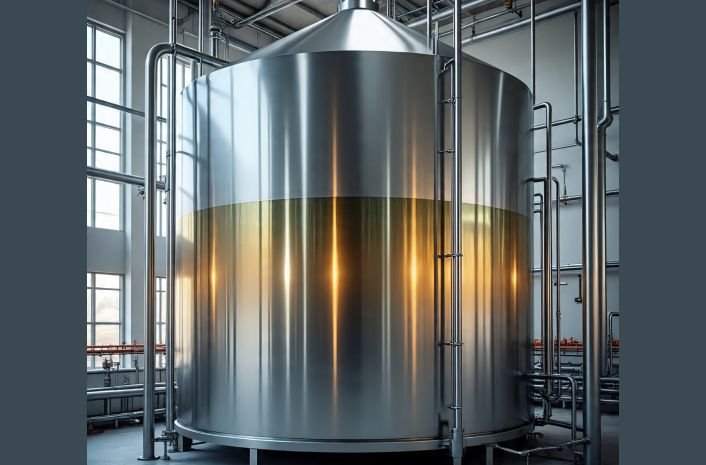
Industrial palm oil storage systems can make or break your business; smart tanks, clever practices, and hidden opportunities await those who stick to best practices.
Palm oil, as a commodity in Nigeria and globally, shows its role in cooking, industry, and trade.
Proper industrial storage keeps your batches safe from spoilage, maintains vibrant color, and protects flavor, directly affecting your sales and reputation.
Temperature control plays a big role, as storing red palm oil at the right temperature slows oxidation, extends shelf life, and prevents sediment buildup.
Choosing the right tank design and storage practices helps you manage inventory efficiently and reduce losses, giving your business an edge.
Learning how storage conditions impact oil quality allows you to plan deliveries, retain customer trust, and maximize profits in a competitive market.
Table of Contents
What is Palm Oil Storage?
Palm oil storage is the storing of crude, red, or refined palm oil in controlled tanks or containers to maintain quality, prevent spoilage, and extend shelf life.
Proper storage manages temperature, limits exposure to air and contaminants, and ensures safety, preserving color, flavor, and nutrients.
It supports efficient inventory handling, reduces losses, and boosts profitability for businesses handling palm oil.
Factors Affecting Palm Oil Storage
Several elements influence how well your palm oil stays fresh, safe, and ready for use or sale.
Temperature Control
Storing crude or red palm oil at the right temperature prevents oxidation and slows microbial growth.
Warm conditions can speed up spoilage, while too-cold storage may cause solidification and separation.
Maintaining consistent warmth protects color, flavor, and nutrients, giving your oil longer usability.
Tank Material and Design
The material of your storage tank affects oil quality.
Stainless steel and food-grade plastic prevent contamination, while proper design allows easy cleaning and reduces sediment buildup, keeping your batches safe and easy to handle.
Exposure to Air and Light
Air and light can trigger rancidity, discoloration, and nutrient loss.
Cover tanks properly, limit unnecessary exposure, and position containers away from direct sunlight to preserve taste, aroma, and market value.
Moisture and Contamination
Water and impurities accelerate spoilage and fermentation.
Keep storage areas clean, avoid contact with unwashed containers, and monitor for leaks or condensation to maintain oil clarity and safety.
Storage Duration
Longer storage increases the risk of quality decline. Rotate stock, track production dates, and plan usage or delivery efficiently to reduce waste and maintain consistent product integrity for your customers. More on how long to store red palm oil.
Types of Industrial Palm Oil Storage Tanks
Choosing the right storage tank affects oil quality, handling, and your business efficiency.
Different tank types serve different needs, from small-scale local operations to large industrial setups, making it easier to manage batches, control temperature, and reduce losses.
Vertical Tanks
Vertical tanks are common for medium to large-scale storage.
Their tall design saves floor space, allowing more oil in a smaller footprint.
They promote even heating and sediment separation, making cleaning easier.
Properly fitted lids and temperature control prevent oxidation, keeping oil fresh.
Vertical tanks also simplify pumping and drainage, giving you better control over inventory, reducing spoilage, and supporting a reliable supply for your buyers.
Horizontal Tanks
Horizontal tanks suit smaller operations or areas with low ceilings.
Their shape allows stable placement, and they are easier to access for inspection and maintenance.
Oil stored in horizontal tanks can be drained completely, reducing leftover residue that may spoil.
These tanks work well when you need multiple small batches separated or when handling local distribution, giving flexibility for different product grades and batch sizes, while keeping quality consistent and minimizing losses.
Modular Tanks
Modular tanks are flexible, expandable systems that adapt to growing storage needs.
You can connect multiple units to scale capacity without rebuilding infrastructure.
Each module can be monitored separately, allowing temperature and cleanliness control for different batches.
Modular designs make maintenance easier and reduce downtime during cleaning or repairs.
This type is ideal if your business plans to expand or handle variable volumes, keeping your oil quality consistent while allowing efficient workflow and inventory management.
Palm Oil Storage Tank Design Principles for Efficiency and Safety
When the principles of storage tanks are followed, palm oil’s shelf life is extended without contamination and wastage.
Here are the principles that make an efficient storage:
Temperature Control
Tanks must support a consistent temperature to prevent oxidation and solidification.
Installing heating coils, insulation, or thermostats keeps red palm oil at optimal warmth, slowing microbial growth and sediment formation, preserving color, flavor, and nutrients while extending shelf life for your batches.
Tank Shape and Structure
Rounded bottoms, sloped surfaces, and smooth interiors promote complete drainage and prevent sediment buildup.
These features reduce cleaning time, minimize residues, and ensure your oil stays clear, safe, and ready for use or sale.
Ventilation and Air Exposure
Tight-fitting lids, vents, and proper seals limit air contact that triggers rancidity and nutrient loss.
Controlled ventilation allows gases to escape without letting contaminants in, maintaining oil quality and aroma during storage.
Accessibility and Maintenance
Design tanks for easy cleaning, inspection, and repair access.
Manholes, drainage outlets, and monitoring points reduce downtime, help you spot issues early, and make routine maintenance manageable, keeping oil quality consistent.
Safety Features
Include pressure relief valves, secure ladders, and anti-slip platforms for operator safety.
Safe tank operation prevents accidents during filling, emptying, or cleaning, while also protecting your product and investment.
Common Materials Used for Tanks in Nigeria and Indonesia
Choosing the right material for your palm oil storage tank affects durability, cleanliness, and oil quality.
Material selection impacts maintenance, safety, and long-term performance, helping you protect your investment.
Suggested materials include the following:
Stainless Steel
Stainless steel tanks resist corrosion and contamination, making them ideal for crude or refined palm oil.
Smooth surfaces prevent sediment buildup and simplify cleaning, while strong construction supports large volumes.
These tanks retain color, flavor, and nutrients, giving your oil consistent quality for local markets or export.
Carbon Steel with Food-Grade Coating
Carbon steel tanks coated with food-safe materials provide a cost-effective option for medium-scale operations.
The coating prevents rust, protects oil from metallic taste, and ensures hygiene.
These tanks balance durability and affordability, making them common for small and medium businesses in Nigeria and Indonesia.
High-Density Polyethylene (HDPE)
HDPE tanks are lightweight, resistant to chemicals, and easy to move.
Their smooth surfaces prevent sticking and simplify cleaning, while insulating properties help maintain temperature.
They are widely used in Nigeria for local trade and in Indonesia for smaller or modular storage systems, offering flexibility and low maintenance.
Comparison Between Nigeria and Indonesia
Tanks in Indonesia often favor stainless steel for large industrial exports, with automated heating and monitoring systems for efficiency.
In Nigeria, carbon steel and HDPE are popular due to cost and local availability, though modern setups increasingly adopt stainless steel for better durability, hygiene, and long-term storage reliability.
Industrial Palm Oil Storage Systems Specifications
Choosing a storage tank with the right specifications ensures your palm oil stays safe, high-quality, and easy to handle.
Technical features, capacity, and maintenance all affect performance and longevity.
Capacity
Tank capacity should match your production volume, storage goals, and distribution schedule.
Common storage volumes range from 5,000 liters for small-scale setups, 10,000–50,000 liters for medium operations, and up to 100,000 liters or more for large industrial storage.
Oversized tanks occupy extra space and increase costs, while undersized tanks require frequent transfers, raising the risk of contamination and oil loss.
Selecting the right volume allows you to store crude or refined palm oil safely, manage multiple batches efficiently, and maintain consistent quality.
Proper capacity planning also helps coordinate deliveries, match seasonal production peaks, and reduce downtime during processing, ensuring your inventory meets market demand without compromising safety or profitability.
Specifications for Red Palm and Refined Oil
Red palm oil requires tanks that handle sediment and maintain slightly higher temperatures, while refined oil benefits from airtight, smooth-surfaced tanks that limit exposure to light and air.
Matching tank features to oil type ensures quality, reduces spoilage, and maintains consistency for buyers.
Maintenance Tips
Regular cleaning, inspections, and monitoring of temperature, seals, and valves extend tank life.
Avoid abrasive scrubbing, check for corrosion, and remove water or residues promptly.
Proper maintenance prevents contamination, reduces repairs, and ensures your storage system continues to protect oil quality effectively.
Red Palm Oil Storage Temperature
Maintaining the right storage temperature keeps red palm oil fresh, preserves color, taste, and nutrients, and prevents spoilage.
Recommended Storage Temperature
Red palm oil should be stored between 30 and 40 degrees Celsius to remain fluid and resist solidification.
Consistent warmth slows oxidation and microbial growth, keeping your oil smooth, bright, and ready for processing or sale.
Matching temperature to storage volume ensures uniform quality across all batches.
Effects of Improper Temperature
Storing oil too hot accelerates oxidation, causing rancidity, off-flavors, and darkening, while too-cold storage leads to solidification, sediment formation, and uneven color.
Both extremes reduce shelf life, impact customer satisfaction, and may increase wastage, making temperature control a critical part of handling crude palm oil.
Temperature Monitoring Tips
Install thermometers or digital sensors inside tanks to track heat levels consistently.
Regularly inspect heating systems, record readings, and adjust settings as needed.
Combining insulation with automated alerts ensures your oil stays within the ideal range, reducing spoilage and protecting quality for your buyers or production line.
Palm Oil Storage in Nigeria
Palm oil storage in Nigeria affects quality, safety, and profitability.
Local practices, climate conditions, and available technology shape how oil is handled, stored, and distributed across markets.
Local Practices and Challenges
Many producers rely on traditional earthen or metal tanks, which can expose oil to air, moisture, and contamination.
Limited access to insulated or temperature-controlled tanks increases spoilage risk.
Poor cleaning routines and irregular maintenance also reduce shelf life, making consistent quality a challenge for small and medium businesses.
Infrastructure, Climate, and Technology
High temperatures and humidity in Nigeria accelerate oxidation and microbial growth, demanding careful monitoring.
Power fluctuations, limited access to automated heating, and reliance on manual handling affect tank performance.
Integrating insulation, digital thermometers, and proper ventilation helps maintain oil quality and reduces losses, even in challenging conditions.
Successful Storage Systems in Nigeria
Several Nigerian palm oil producers have developed strong storage systems as part of their operations.
- Okomu Oil Palm Company Plc and Presco Plc run large-scale plantations, processing facilities, and storage tanks that handle thousands of tons of crude and refined palm oil, helping maintain color, flavor, and fluidity for market delivery.
- EKEFINN Ltd operates storage tanks with hundreds of tonnes of capacity before distribution.
- Bragav Nigeria Limited also stores and sells crude and processed palm oil in bulk. These systems pair modern tanks, temperature monitoring, and regular maintenance to protect quality and support reliable business growth in Nigeria.
Palm Oil Storage Business Opportunities
Starting a palm oil storage business in Nigeria requires planning for tank selection, location, and basic infrastructure.
Moderate investment in stainless steel, coated steel, or HDPE tanks allows handling both crude and refined oil efficiently, keeping quality consistent and reducing spoilage.
Growing local and industrial demand creates strong profit potential, with buyers willing to pay for oil that maintains color, flavor, and nutrients.
Integrating storage with processing and distribution simplifies operations, reduces losses, and ensures timely delivery to markets or retailers.
Scaling sustainably involves adding modular tanks, monitoring temperature, and training staff in maintenance and quality control.
Planning capacity expansion based on market demand keeps operations efficient, protects oil integrity, and maximizes revenue.
Properly managed, a palm oil storage business can become a reliable income source and a foundation for long-term growth in Nigeria’s competitive market.
Red Palm/Refined Palm Oil Storage Tank Maintenance
Maintaining storage tanks protects oil quality, prevents losses, and ensures safe handling.
Daily care, scheduled inspections, and proper cleaning routines keep your crude or refined palm oil fresh and ready for use or sale.
Daily Maintenance
Check temperature readings, seals, and tank lids each day to prevent leaks, contamination, or oxidation.
Remove any water, debris, or foam that may form on the surface, and inspect pumps and valves for smooth operation.
Daily attention helps keep oil fluid, bright, and free from spoilage.
Weekly Maintenance
Inspect tank walls, drainage outlets, and surrounding areas weekly for rust, sediment buildup, or damage.
Clean accessible surfaces and verify heating systems and ventilation are functioning correctly.
These weekly checks prevent hidden problems and maintain consistent oil quality for your customers.
Monthly Maintenance
Perform deeper cleaning monthly, removing accumulated sediment, checking insulation, and testing all mechanical parts.
Inspect for corrosion, cracks, or leaks, and service pumps and valves if needed.
Consistent monthly maintenance prolongs tank life, ensures hygiene, and preserves the color, flavor, and nutrients of your stored palm oil.
Hygiene and Inspection Importance
Regular cleaning and inspection reduce microbial growth, sediment contamination, and oil degradation.
Keeping tanks clean and dry protects your investment, maintains oil clarity, and ensures your batches meet quality standards for local or industrial buyers.
Conclusion
Proper palm oil storage shapes quality, profitability, and business success.
Smart tank selection, temperature control, and regular maintenance protect oil color, flavor, and nutrients.
Efficient storage systems, whether in Nigeria or abroad, reduce losses, streamline batch management, and support reliable delivery.
Integrating storage with processing and distribution maximizes workflow, keeps oil safe, and strengthens customer trust.
Understanding tank design, materials, and capacity ensures long-term durability and consistent quality.
By applying these best practices, your palm oil operations stay competitive, profitable, and resilient, turning storage from a basic requirement into a strategic advantage that directly impacts reputation and revenue.
Frequently Asked Questions
What is the ideal storage temperature for crude palm oil?
Maintaining palm oil between 30 and 40 degrees Celsius keeps it fluid, slows oxidation, prevents sediment, and preserves flavor, color, and nutrients.
How long can palm oil be safely stored?
With proper temperature control, clean tanks, and minimal air exposure, crude or refined palm oil can stay safe and high-quality for several months.
Which tank materials are best for palm oil storage?
Stainless steel, food-grade coated carbon steel, and HDPE prevent contamination, resist corrosion, and support both small-scale and industrial palm oil storage needs.
How often should storage tanks be maintained?
Daily checks for leaks, seals, and temperature, weekly inspections for sediment or damage, and monthly deep cleaning ensure hygiene, oil safety, and tank longevity.
References

I am Chimeremeze, a writer and researcher with deep-rooted experience in processing, consuming, and utilizing locally produced palm oil products, including red palm oil, palm kernel oil, and refined palm oil. Growing up in a community surrounded by towering palm trees, we embraced every part of this nature’s gift—drinking its wine, using the fronds for fencing, crafting brooms from its leaves, and turning its sturdy trunks into communal benches.
My passion for the palm tree and its countless benefits drives my research and writing, shedding light on its significance to West Africa and beyond. I also write on cassavavaluechain.com on the impact of cassava, another staple crop that has shaped Africa and influenced the world.