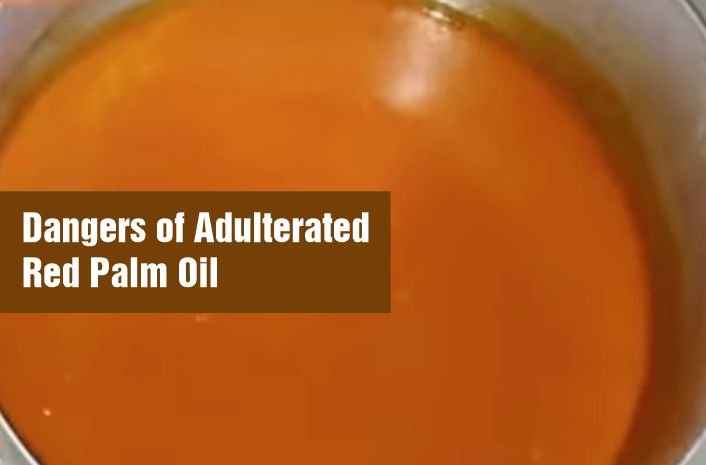
The dangers of adulterated red palm oil include food poisoning, gradual organ damage, poor nutrition, and hidden health risks in your everyday meals.
Adulterated red palm oil can quietly affect every meal, changing taste, aroma, and nutrition without immediate notice.
Many markets sell brightly colored oil that looks fresh but hides added dyes, cheaper vegetable oils, or harmful chemicals.
Cooking with it may seem normal at first, yet hidden risks can build over time, impacting health and family nutrition.
Spotting fake or diluted oil before it reaches your kitchen protects both your wallet and your well-being.
Learning simple tests, checking color, smell, texture, and storage, and buying from trusted suppliers make a big difference.
Awareness and careful choice keep meals safe, flavorful, and truly nourishing.
Table of Contents
What Is Adulterated Red Palm Oil?
Adulterated red palm oil is oil mixed with cheaper vegetable oils or enhanced with artificial dyes to appear fresh and bright. This practice changes its natural color, taste, and aroma, reducing nutritional value.
Often sold at normal prices, adulterated palm oil can contain harmful chemicals, posing health risks while misleading buyers about quality and purity.
Common Chemicals Found in Fake Red Palm Oil
Fake red palm oil may look fresh and vibrant, but some of its color and texture come from harmful chemicals you should avoid.
Sudan IV and Other Illegal Dyes
Sudan IV and similar banned dyes are sometimes added to red palm oil to deepen its color, making it appear fresh and appealing while posing serious health risks.
Industrial Oils or Low-Quality Vegetable Oils
Low-quality vegetable oils or industrial oils are mixed into red palm oil to increase volume, changing texture, taste, and nutritional value, often making it thin and watery.
Residual Pesticides and Contaminants
Traces of pesticides and other contaminants can remain in palm oil if processing, storage, or filtration is poor, exposing your family to hidden chemical and health hazards.
Related Posts
Best Alternatives to Red Palm Oil
Red Palm Oil and Health: Everything to Know
Immediate Health Risks
Fake red palm oil can cause sudden discomfort and noticeable changes in food taste and quality.
Recognizing these signs protects your health and family meals.
Stomach Upset and Digestive Issues
Consuming adulterated red palm oil can trigger nausea, stomach cramps, or diarrhea.
Contaminants and low-quality oils disturb digestion, making meals uncomfortable and sometimes unsafe to eat.
Allergic Reactions or Skin Irritation
Chemicals and artificial dyes in fake palm oil may cause rashes, itching, or allergic reactions.
Sensitive individuals can experience redness or irritation after contact or consumption.
Chemical Aftertaste Affecting Food Quality
Adulterated palm oil often leaves a metallic or chemical taste in food, altering the flavors of soups, stews, and fried dishes, making meals unpleasant and unappealing.
Long-Term Health Risks
Repeated use of fake red palm oil can quietly harm your body over time.
Knowing these dangers helps you protect your health and make safer choices in the kitchen.
Cancer Risk Linked to Toxic Dyes
Banned dyes like Sudan IV, sometimes added to fake palm oil, may increase cancer risk when consumed repeatedly, especially in processed meals and soups over long periods.
Heart Disease and Cholesterol Problems from Poor-Quality Oils
Industrial or low-quality vegetable oils mixed into palm oil can raise bad cholesterol, clog arteries, and contribute to long-term heart disease, affecting overall cardiovascular health.
Liver and Kidney Damage from Prolonged Consumption
Chemicals, contaminants, and adulterated oils stress the liver and kidneys. Continuous exposure can impair these organs, leading to serious health complications over months or years.
Who Is Most at Risk?
Some groups are more vulnerable to the harmful effects of fake red palm oil. Knowing who is at risk helps protect loved ones and prevent serious health issues.
Children: Higher Susceptibility to Toxins
Children’s bodies are still developing, making them more sensitive to chemicals and contaminants in adulterated palm oil. Even small amounts can affect growth, digestion, and overall health.
Pregnant Women: Potential Pregnancy Complications
Exposure to toxic dyes and low-quality oils during pregnancy may affect maternal health and fetal development, increasing the risk of complications or adverse outcomes.
Elderly: Weaker Immunity Increases Risk
Older adults have reduced immunity and slower metabolism, making them more prone to digestive issues, chemical reactions, and long-term organ stress from adulterated red palm oil.
How to Protect Yourself
Taking simple precautions helps you avoid fake red palm oil and keeps your meals safe, nutritious, and flavorful. Smart choices protect your health and wallet.
Buy From Trusted Suppliers and Verified Brands
Source palm oil from farmers, cooperatives, or verified brands with a reputation for quality.
Reliable sellers provide traceable production methods and reduce the risk of adulteration.
Check Color, Smell, Taste, and Texture for Authenticity
Inspect the oil carefully. Pure red palm oil has a natural deep red to orange color, a mild nutty aroma, a slightly sweet taste, and moderate thickness at room temperature.
Avoid Suspiciously Cheap or Unnaturally Bright Red Oil
Extremely low prices or a glowing, bright red color can indicate added dyes or diluted oils. Fair pricing and natural appearance usually signal authentic, safe palm oil.
Signs Your Red Palm Oil Might Be Adulterated
Red palm oil can look fresh and vibrant, but certain signs reveal it might be adulterated.
An extremely bright or unnatural red color often comes from artificial dyes, while a strong chemical or artificial smell suggests contamination.
Texture is another clue; oil that feels too watery, thin, or separates easily usually indicates dilution with low-quality oils.
Paying attention to these warning signs helps protect your meals, wallet, and family health.
For a complete guide on spotting pure versus fake red palm oil, including practical tests and expert tips, check out our detailed post on how to know pure and adulterated red palm oil.
Staying informed keeps your cooking safe and flavorful.
Conclusion
Adulterated red palm oil poses hidden dangers that affect taste, nutrition, and overall health.
From immediate issues like stomach upset and allergic reactions to long-term risks including cancer, heart, liver, and kidney problems, the consequences can be serious.
Children, pregnant women, and the elderly are especially vulnerable, making careful selection critical.
Protecting yourself starts with buying from trusted suppliers, checking color, smell, taste, and texture, and avoiding unnaturally bright or cheap oil.
Paying attention to these warning signs keeps your meals safe, flavorful, and nutritious, helping you maintain health and well-being for your family every day.
Frequently Asked Questions (FAQs)
Can adulterated red palm oil cause cancer?
Banned dyes like Sudan IV, sometimes added to fake palm oil, may increase cancer risk when consumed repeatedly, especially in soups and processed meals.
How can I test red palm oil at home for purity?
Check color, aroma, taste, and thickness, refrigerate small samples, and use white paper to spot separation or unnatural rings indicating adulteration.
Is imported red palm oil safer than local brands?
Imported oil isn’t automatically safer. Purity depends on sourcing, processing, and storage. Both imported and local brands require inspection and trusted suppliers.
Does cooking reduce the dangers of fake red palm oil?
Cooking does not remove toxic dyes or contaminants. Heat may mask taste, but chemical and health risks remain in adulterated palm oil.
References
- Lagos markets flooded with adulterated, deadly palm oil
- Beware of adulterated palm oil in circulation
- effect-of-sudan-ii-adulteration-of-palm-oil-on-the-serum-enzyme

I am Chimeremeze, a writer and researcher with deep-rooted experience in processing, consuming, and utilizing locally produced palm oil products, including red palm oil, palm kernel oil, and refined palm oil. Growing up in a community surrounded by towering palm trees, we embraced every part of this nature’s gift—drinking its wine, using the fronds for fencing, crafting brooms from its leaves, and turning its sturdy trunks into communal benches.
My passion for the palm tree and its countless benefits drives my research and writing, shedding light on its significance to West Africa and beyond. I also write on cassavavaluechain.com on the impact of cassava, another staple crop that has shaped Africa and influenced the world.