
Crude palm oil, different from red palm oil, fuels kitchens, factories, and conversations worldwide. From plantations to production lines, this raw oil holds more importance than most people realize. Get the full picture here.
You hear about red palm oil all the time, but crude palm oil is a different story. Its role in your food, economy, and even fuel supply is bigger than most people realize.
If you’ve ever wondered what goes into the products you use every day or what keeps tropical economies running, this oil is part of the answer.
From farms in Southeast Asia to industries around the world, it moves through systems that touch billions of lives.
It creates jobs, drives exports, and feeds markets. But few people look past the surface.
This post gives you the full picture, connecting facts, processes, and real-world impact.
You don’t need technical jargon or corporate spin to understand how it all fits together.
You just need clear information, laid out simply, so you can see how crude palm oil fits into the world you live in.
Main Points
- Crude palm oil is extracted from the fruit’s pulp and contains high levels of carotenoids, vitamin E, and fatty acids.
- Indonesia and Malaysia dominate global crude palm oil production, exporting to major markets like India, China, and the European Union.
- Proper storage in cool, dry conditions with sealed packaging helps prevent spoilage, rancidity, and quality loss in crude palm oil.
- Byproducts of CPO, like palm kernel oil, PFAD, and fiber waste, contribute to biofuels, animal feed, soap making, and industrial energy solutions.
- CPO is used in cooking, personal care, pharmaceuticals, and industry, making it valuable across many commercial sectors.
What is Crude Palm Oil (CPO)?
Crude palm oil (CPO) – not red palm oil, is the unrefined oil extracted from the mesocarp, or fleshy part, of the oil palm fruit of the oil palm tree (Elaeis guineensis).
It has a reddish-orange color due to its high beta-carotene content and is rich in both saturated and unsaturated fats.
Crude palm oil is different from red palm oil, which is produced by partially refining CPO while retaining its natural color and nutrients.
It also differs from palm kernel oil, which is extracted from the seed or kernel inside the fruit and has a different fat composition.
Additionally, CPO is not the same as refined palm oil, the more processed form commonly used in the food industry for its neutral flavor and extended shelf life.
While CPO requires further refining before use in food and industrial applications, it remains a key raw material in the global oil industry, valued for its high yield and versatility across various products.
Recommended: Benefits of Crude Palm Oil
Crude Palm Oil Extraction Process
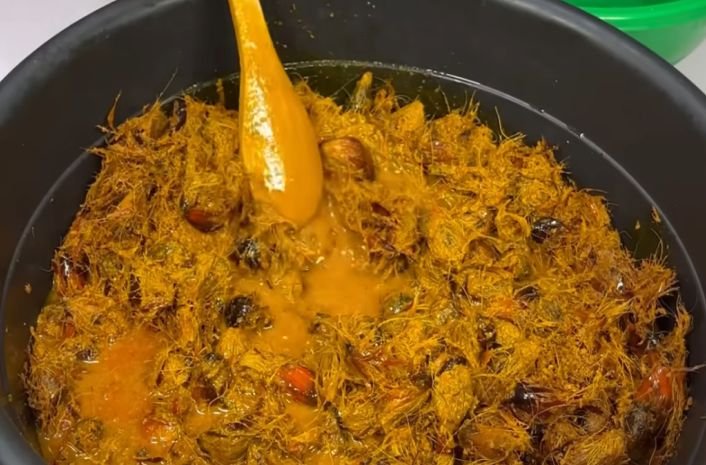
Crude palm oil is extracted through a series of steps that begin with harvesting ripe fruit bunches from oil palm trees every two to three weeks.
Once harvested, the bunches are sterilized using steam or hot water to stop enzymatic activity and soften the fruits.
After sterilization, the fruits are separated from the bunches through threshing, using either manual labor or mechanical threshers.
The fruits are then digested, a process that involves heating and breaking them down into pulp to release oil.
This pulp is pressed to extract the crude palm oil, with traditional or modern hydraulic presses.
The final step is clarification, where oil is separated from solids and water without refining or bleaching.
While traditional methods still exist, mechanized systems increase efficiency and yield, making it easier to meet high production demands.
The entire process ensures the oil retains its natural nutrients and properties before further processing. See the full post on crude palm oil extraction.
Related Posts
Crude Palm Oil Market Analysis
How Safe is Crude Palm Oil for Cooking?
Factors Driving The Global Demand For Crude Palm Oil
The Palm Kernel Oil: Everything to Know
Refined Palm Oil: Everything to Know
Top Movers in the Palm Oil Production around the World
Physical and Chemical Characteristics of Crude Palm Oil
You can tell CPO apart by how it looks, feels, and behaves. Each characteristic affects how you use it and how long it stays fresh.
Color and Texture: What You See and Feel
Crude palm oil naturally comes in a deep orange-red color. This color comes from beta-carotene, a nutrient your body converts into vitamin A.
You’ll notice the oil is thick and slightly sticky; that’s because of its high triglyceride content.
This texture plays a big role in how it behaves during cooking or processing.
It stays stable at higher temperatures and gives body to products like margarine or vegetable shortening.
Odor and Flavor: What You Smell and Taste
The smell of crude palm oil is mild with a hint of nuttiness. When you taste it, the flavor is light enough not to overwhelm a dish.
It adds richness to stews, baked goods, and even instant noodles.
However, that flavor can shift based on how the oil was extracted and how fresh it is. You’ll get a better result in your recipes when you use freshly extracted oil.
Fatty Acid Composition: What Makes Up the Oil
Most of what’s in crude palm is triglycerides, about 95 percent. These are the fats that give it its cooking power and creamy texture.
The rest includes free fatty acids like palmitic and oleic acid. These fatty acids affect shelf life and taste.
Oils with higher free fatty acids tend to go bad faster, so checking the quality before use is important.
Moisture and Shelf Life: How Long Does It Last?
Moisture in crude palm should stay low. If there’s too much water in the oil, it can spoil quickly.
You need to store it in a cool, dry place, away from light and air. Poor storage can change how it smells and tastes, and even cause it to go rancid.
To keep the oil fresh longer, seal it tightly and avoid using containers that let in light or air.
Related: Crude Palm vs Red Palm Oil
Nutritional Composition of Crude Palm Oil
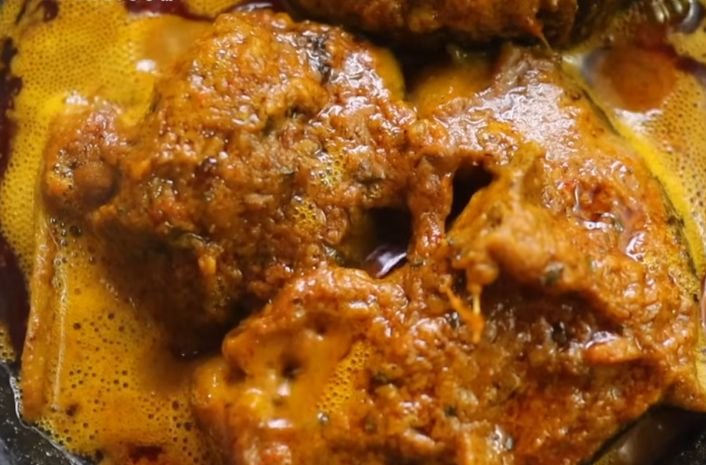
When you use crude palm oil, you’re not just adding flavor. You’re also getting nutrients that refined oils usually lose. Here’s what makes it a valuable part of your kitchen.
Fatty Acids: What the Oil is Made Of
CPO is rich in fats that your body can use. About 40 percent is palmitic acid, which supports energy production and cell health.
Another 40 percent is oleic acid, a monounsaturated fat linked to heart health.
This mix of saturated and unsaturated fats gives the oil its structure and stability, especially when cooking with heat.
Using it in moderation helps you get these benefits without overloading on fat.
Antioxidants: What Helps Protect Your Cells
You’ll find powerful antioxidants in crude palm oil, mainly tocotrienols and carotenoids.
Tocotrienols are part of the vitamin E family and help protect your brain and lower bad cholesterol.
Carotenoids give the oil its reddish color and support vision and immune function.
These antioxidants help reduce damage from free radicals and may lower your risk of long-term health problems.
Micronutrients: What Supports Your Body Functions
Besides fats and antioxidants, crude palm oil also carries vitamins like A and E.
These nutrients play a role in your immune response, skin repair, and eye health.
Because the oil is minimally processed, it holds more of these nutrients compared to refined oils.
Adding it to soups, stews, or sauces can boost your nutrient intake without changing the taste too much.
Calories and Balance: What You Need to Watch
Like all oils, CPO is calorie-dense. One tablespoon can add over 100 calories to your meal. If you’re not careful, it’s easy to overdo it.
While the nutrients are helpful, you still need to manage how much you use.
Adding small amounts to meals can give you the health benefits without going overboard on calories or fat.
| Nutrient/Component | What It Does | How It Helps You |
|---|---|---|
| Palmitic Acid (≈40%) | Saturated fat | Fuels your body and supports cell structure |
| Oleic Acid (≈40%) | Monounsaturated fat | Helps reduce LDL (bad) cholesterol and supports heart health |
| Tocotrienols (Vitamin E) | Antioxidant | Protects your brain and may lower cholesterol |
| Carotenoids | Natural pigment and antioxidant | Supports your eyesight and strengthens immunity |
| Vitamin A | Fat-soluble vitamin | Helps with vision, immune defense, and skin repair |
| Vitamin E (general) | Antioxidant | Fights oxidative stress and supports overall cell health |
| Caloric Content | Energy source (over 100 calories per tablespoon) | Provides energy but needs portion control to avoid weight gain |
Related: The Numerous Uses of Crude Palm Oil
Industrial and Commercial Applications
CPO plays a major role in several industries because of its affordability, stability, and wide-ranging uses.
Once refined into RBD palm oil (refined, bleached, deodorized palm oil), it becomes a key ingredient in the food industry.
You’ll find it in frying oils, baked goods, margarine, and processed foods because it withstands high heat and helps extend shelf life.
In cosmetics and personal care, palm oil is valued for its emollient qualities and is commonly used in soaps, creams, and lotions.
CPO is also used to produce biodiesel, offering a renewable energy option that supports the shift from fossil fuels.
Its lubricating properties make it useful for manufacturing industrial greases and machine oils. In agriculture, it adds nutritional energy to livestock feed.
Across all these sectors, crude palm oil remains a valuable raw material that meets commercial and industrial demands after proper refining and processing.
See a dedicated post on the industrial applications of crude palm oil
Recommended: Palm Crude Oil in Cosmetics and Soaps
Storage, Packaging, and Quality Control of Crude Palm Oil
Proper storage, packaging, and quality control are essential for maintaining the shelf life and safety of crude palm oil.
It should be kept in a cool, dry place between 15°C and 25°C, away from light, moisture, and air, which can cause spoilage or rancidity.
Airtight containers and a controlled environment are key to preserving its quality.
Packaging also plays a critical role; food-grade stainless steel tanks are ideal for bulk storage, while dark glass bottles or airtight HDPE containers suit smaller quantities.
These materials block light and air, reducing the risk of oxidation during storage or transport.
Ensuring containers remain sealed protects the oil from microbial contamination and environmental degradation.
Together, proper storage and thoughtful packaging support long-term usability and preserve the oil’s value in various applications.
See a dedicated post on how to store crude palm oil.
Quality Checks: Monitor What Matters
To know if your oil is still good, check its free fatty acid content, moisture level, and peroxide value.
High free fatty acids mean the oil is breaking down. Too much moisture increases the risk of mold or bacteria.
A high peroxide value points to oxidation. You should test regularly and follow national or international food safety standards to make sure the oil stays safe and market-ready.
Shipping and Handling: Don’t Let Transport Ruin It
Even if you’ve stored and packed everything right, poor transport can still spoil the oil.
Long delays, rough handling, or extreme temperatures during shipping can damage the product.
Always work with reliable logistics partners and stick to industry guidelines to keep the oil in good shape from factory to buyer.
Related: Crude Palm Oil Refining Process
Misconceptions and Clarifications About Crude Palm Oil
You may have heard different things about crude palm oil, but not all of them are accurate.
Let’s clear up a few common misunderstandings that might be holding you back.
Crude Palm Oil vs Red Palm Oil: Know the Difference
It’s easy to mix up crude palm oil with red palm oil, but they’re not the same.
Crude palm oil is the raw oil pressed from the fruit’s pulp and usually goes through refining before it reaches your kitchen.
Red palm oil, on the other hand, is only lightly processed, so it keeps its bright color and more of its natural carotenoids.
If you’re choosing based on nutrition or cooking use, it helps to know which oil you’re working with.
Saturated Fat and Health: Don’t Miss the Full Picture
You might hear that crude palm oil is bad because it contains saturated fat. But the truth is, your body needs a mix of fats.
When used in moderation and balanced with unsaturated fats, crude palm oil can be part of a healthy diet.
It also contains nutrients like tocotrienols and carotenoids, which support brain and heart health. So, it’s not just the fat that matters; it’s how you use it.
Environmental Concerns: What Responsible Production Looks Like
Yes, palm oil production has caused real environmental damage, especially when linked to large-scale deforestation.
But that doesn’t tell the whole story. More producers are turning to certified sustainable practices through groups like the Roundtable on Sustainable Palm Oil (RSPO).
These certifications aim to protect forests, reduce emissions, and support local communities.
When you choose certified palm oil, you’re supporting better methods that care for the environment.
Related: Crude Palm Oil Production in Biofuel Production
Global Market Dynamics of Crude Palm Oil
The global crude palm oil market is shaped by a few key producers, Indonesia, Malaysia, and Nigeria, who together account for over 85 percent of total production.
Indonesia leads the market, followed by Malaysia, with strong infrastructure and export capacity.
Nigeria continues to expand its output to meet local and global demand. Major importers like India, China, and the European Union rely heavily on these exports for food and industrial uses.
Trade flows are also impacted by bans, tariffs, and shifting trade policies, prompting producers to seek new markets and focus on value-added palm oil products.
Prices fluctuate due to climate conditions, environmental regulations, and competition, making the market sensitive to global trends.
Sustainability rules in some regions are pushing producers to adopt cleaner practices and pursue certifications like RSPO.
As demand grows with the global population, staying aware of these market shifts is important if you’re involved in the palm oil supply chain or trade. See an in-depth post on the crude oil palm market.
Related: How to Test the Quality of CPO
Related Byproducts and What Happens After Extraction
After extracting crude palm oil, you’re left with more than just oil. Several byproducts come out of the process, and each one has a role to play in the wider palm oil industry.
Palm Kernel Oil: From Seed to Soap
Once you extract the crude palm oil, you can still press the seeds to get palm kernel oil.
This oil is rich in lauric acid and is commonly used in soaps, cosmetics, and cooking oil blends.
It has a different composition from crude palm oil and serves industries that need stable fats for lathering, shelf life, or skin-softening qualities.
Palm Sludge Oil: Thick and Still Useful
During processing, you’ll find thick residue known as palm sludge oil. While it’s not used in premium products, it still serves a purpose.
It can be turned into fuel for industrial boilers or added to animal feed.
This shows how even the lower-grade parts of the process can be recycled instead of being wasted.
PFAD: A Liquid with Industrial Value
Palm fatty acid distillate (PFAD) is a byproduct of refining crude palm oil.
It’s not something you’d cook with, but it’s in high demand for biodiesel production, surfactants, and even candle-making.
Instead of throwing it away, refiners sell PFAD to industries that rely on stable, waxy fats and fatty acids.
Press Fibers and Shells: Biomass in Action
When you’re done pressing the oil, you’re left with pressed fibers and kernel shells.
These can be burned to produce steam and energy for the mill itself or turned into briquettes for industrial heating.
Instead of dumping them, you can use them to power your operations and cut down on fuel costs.
Empty Fruit Bunches: Turning Waste into Fertilizer
What’s left of the fruit bunch after fruit removal is still useful. You can use these empty bunches as organic mulch or compost to nourish your oil palm plantations.
Some processors even use them in biogas plants to generate energy. With the right setup, nothing goes to waste.
Uses of Crude Palm Oil
Crude palm oil has a wide range of uses across industries. Its natural fat content and nutrient profile make it useful in cooking, skincare, energy, and more.
Let’s take a closer look:
Cooking and Food Preparation
You’ll find CPO in many traditional recipes, especially in West African, Southeast Asian, and Latin American dishes.
Its rich flavor, high smoke point, and natural reddish color make it ideal for frying, stews, and sauces.
It also contains beta-carotene and vitamin E, which stay intact when the oil is not over-refined.
This makes it a staple in many households and local food businesses.
Animal Feed
Crude palm oil is sometimes added to animal feed, especially for poultry and livestock.
Its high energy content supports weight gain and growth, while the fatty acids help with feed conversion and digestion.
Farmers use it to improve overall feed efficiency and provide essential nutrients in warmer climates where energy-dense feed is important for healthy animal performance.
Cosmetics and Personal Care Products
You’ll see crude palm oil used in products like soaps, creams, shampoos, and lotions.
Its natural fats help moisturize and soften skin, while its vitamin E and carotenoids add extra nourishment.
The oil also helps bind ingredients, giving creams and balms a smooth, stable texture.
That’s why skincare brands, especially those focused on natural formulations, turn to crude palm oil as a trusted base.
Industrial Applications
In industrial settings, CPO is used to make lubricants, greases, and biodiesel.
The oil’s fatty acid content allows it to be chemically processed into esters, which are used in machines and transport systems.
It also works as a base for surfactants and emulsifiers, especially in cleaning agents.
Its wide availability and renewability make it a reliable industrial input in many developing economies.
Pharmaceuticals
Though not as common, CPO appears in some pharmaceutical products.
Its high tocotrienol and beta-carotene levels make it a good base for supplements, especially vitamin A and E capsules.
It’s also used in topical treatments for skin healing or irritation.
In some formulations, its antioxidant properties support shelf stability and improve the bioavailability of active ingredients.
Soap Production
Crude palm oil is a favorite in soap-making because it helps harden the soap and adds a natural, gentle lather.
The saturated fats create a firm texture, while the oil’s nutrients, especially vitamin E, help soften and condition the skin.
Many handmade soap makers prefer CPO for its balance between hardness, cleansing power, and skin feel. It also gives the soap a warm, golden hue.
Candle Making
In regions where palm oil is widely available, you’ll see it used in candle production. The oil is processed to create a solid fat that burns slowly and cleanly.
It’s an affordable alternative to paraffin and works well for molded or poured candles.
Some candle makers blend it with other plant-based waxes to improve scent throw and burn time while keeping it natural.
Biofuels
CPO can be processed into biodiesel, making it a renewable alternative to petroleum-based fuel.
Countries looking to cut down on fossil fuel use have begun blending biodiesel made from CPO into their transport fuel supply.
It’s also used in generators and industrial boilers. While sustainability is a concern, certified palm oil sources are being promoted for more responsible energy production.
See a comprehensive post on the uses of crude palm oil.
Frequently Asked Questions
Can you cook with crude palm oil directly?
Yes, you can cook with crude palm oil directly. It adds flavor and nutrients to traditional dishes, especially when fresh, but moderation and proper handling are important.
What’s the shelf life of raw palm oil?
When stored in a cool, dark, and dry place with minimal air exposure, CPO can last up to 12 months before showing signs of spoilage.
Is crude palm oil good for hair or skin?
CPO contains vitamin E and beta-carotene, which can nourish your hair and moisturize skin, making it useful in natural personal care routines and products.
How is crude palm oil refined?
CPO is refined through degumming, neutralization, bleaching, and deodorization to remove impurities, odor, and color, resulting in refined, bleached, and deodorized palm oil (RBDPO).
Conclusion
Crude palm oil is more than just a cooking ingredient. It fuels industries, supports millions of livelihoods, and feeds growing global demand for energy, food, and cosmetics.
From farms in Indonesia and Nigeria to your local market shelf, this unrefined oil plays a bigger role than most people realize.
Its production has challenges, but it also presents opportunities, especially when managed with responsibility and care.
Knowing how crude palm oil is extracted, used, stored, and misunderstood helps you see the full picture.
It’s not just about choosing an oil. It’s about understanding a product that touches economies, ecosystems, and daily life.
Now that you know what’s behind it, you’re better equipped to use it, talk about it, and make informed choices.
References:

I am Chimeremeze, a writer and researcher with deep-rooted experience in processing, consuming, and utilizing locally produced palm oil products, including red palm oil, palm kernel oil, and refined palm oil. Growing up in a community surrounded by towering palm trees, we embraced every part of this nature’s gift—drinking its wine, using the fronds for fencing, crafting brooms from its leaves, and turning its sturdy trunks into communal benches.
My passion for the palm tree and its countless benefits drives my research and writing, shedding light on its significance to West Africa and beyond. I also write on cassavavaluechain.com on the impact of cassava, another staple crop that has shaped Africa and influenced the world.